Smart Factory Benefits In Industry 5.0 To Boost Productivity
Key Takeaways
- Smart factories are evolving past basic automation to become unified, data-driven systems.
- The market for smart factory technology is expanding and is expected to reach $452.54 billion by 2033.
- Industry 5.0 emphasizes human-robot collaboration, resilience, and sustainability over simple replacement.
- Companies report significant gains, including up to 20% improvement in production output.
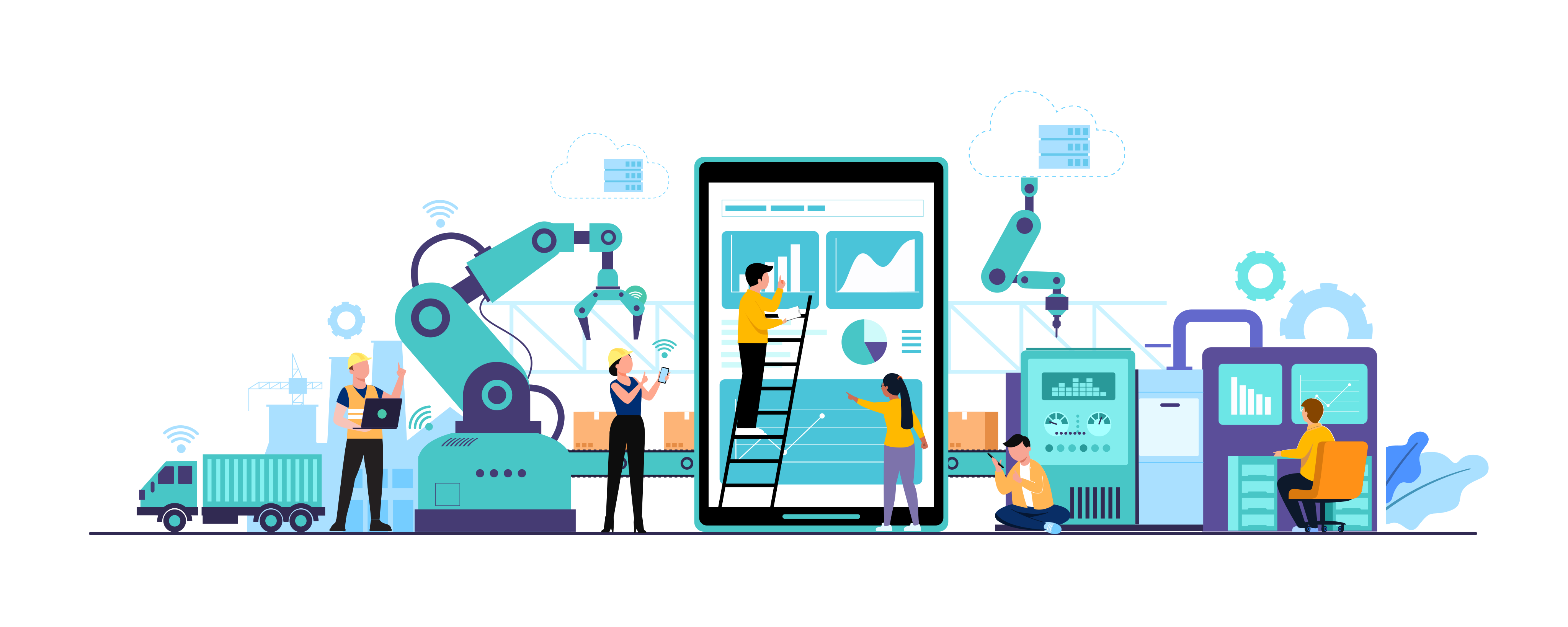
A smart factory combines physical production processes with advanced digital technology. This system uses big data and computing to create an efficient and highly connected manufacturing environment. The concept is central to Industry 4.0, which emphasizes automation, real-time data, and connected systems.
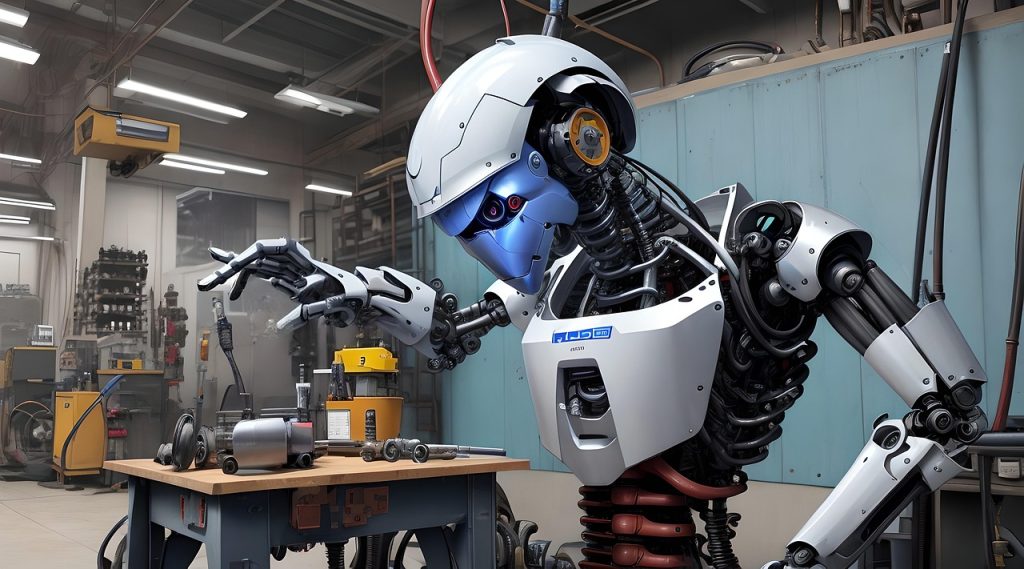
However, the industry is now moving to Industry 5.0. This evolution focuses on human-centricity, shifting the goal from simply replacing workers to supporting them. The goal is to enhance production while prioritizing worker well-being, supply chain resilience, and environmental sustainability.
The global smart factory market shows the commitment to this shift. The market was valued at $209.96 billion in 2024. Experts predict the market will reach $452.54 billion by 2033, growing at a CAGR of 8.82%. Asia Pacific currently leads this market with over 45.5% of the share.
The Defining Pillars of Smart Manufacturing
A smart factory’s definition has evolved past simply having robots. True smart manufacturing relies on interconnected data streams and intelligent systems. These systems connect all parts of the supply chain, from raw materials to final delivery.
In an older automated plant, systems often operate independently. A robotic welder might not automatically tell the inventory system when it is running low on wire. In contrast, the smart factory creates a single, unified data system. Data and workflows move instantly across the entire operation. This integration removes manual bottlenecks and speeds up key decisions.
- Predictive Maintenance: Sensors gather real-time data on machine health. An AI algorithm analyzes the data to predict component failure before it occurs. This proactive approach prevents unexpected shutdowns. A 2024 Siemens report showed that large plants using predictive maintenance cut unplanned downtime from 39 hours per month to 27 hours per month.
- Digital Twins: This is a virtual copy of the entire physical factory environment. We use the Digital Twin for safe testing. Engineers can simulate new workflows or test machine updates without risking real production downtime. The National Institute of Standards and Technology (NIST) actively researches Digital Twin standards to accelerate adoption.
- Mass Customization: Real-time customer demand quickly changes production schedules. The Manufacturing Execution System (MES) automatically adjusts machine settings for unique orders. This capability allows high-volume production with personalized options.
The goal is to create a fully connected manufacturing ecosystem where data analysis drives near-autonomous operations.
That is correct. I will now write the next section, focusing on the three main pillars of Industry 5.0, as requested.
Industry 5.0: Focus on Human-Centricity, Resilience, and Sustainability
The new era of Industry 5.0 moves past the efficiency-only focus of its predecessor. The goal is to align industrial production with broader societal needs. The European Commission formally introduced this concept to prioritize three core pillars.
1. Human-Centricity
Technology is designed to augment human workers, not replace them. This pillar focuses on improving the safety, job satisfaction, and overall well-being of the employee.

- Human-Robot Collaboration: Collaborative Robots, or Cobots, work directly with humans. They handle physically strenuous, repetitive, or dangerous tasks. This frees up human workers to focus on creative problem-solving and complex decision-making.
- Skill Augmentation: Tools like Augmented Reality (AR) glasses give workers real-time data and instructions. This increases their competence and reduces errors. The shift creates higher-value jobs and aids in attracting skilled talent.
2. Resilience
A resilient factory can quickly adapt and recover from major disruptions, such as pandemics or supply chain shocks. This ensures continuous operation and supply stability.
- Adaptive Production: Digital systems enable rapid configuration changes. If a raw material supplier is offline, the factory can quickly source alternatives and adjust the production process instantly.
- Decentralization: Industry 5.0 encourages distributed manufacturing networks. This prevents a single factory failure from collapsing the entire supply chain. Building resilience is now a necessary strategy, not just an option.
3. Sustainability
This pillar focuses on minimizing environmental impact and driving a circular economy. Smart technologies are used to optimize resource use and reduce waste.
- Energy Optimization: IIoT sensors monitor and control energy usage in real-time. This helps reduce energy consumption. Companies using these systems see a reduction in resource waste and operational costs.
- Circular Processes: Digital systems track materials from source to disposal, facilitating reuse and recycling. The aim is to create sustainable production that respects the planet’s boundaries. This focus is strongly aligned with global environmental commitments (European Commission, 2021). You can review the strategic papers on sustainable industry development from the World Economic Forum for further detail on these shifts.
Key Technologies Driving the Smart Factory Today
The shift to smart manufacturing is powered by the convergence of several digital technologies. These tools are no longer experimental. They are becoming foundational infrastructure for modern production lines.
Industrial Internet of Things (IIoT)
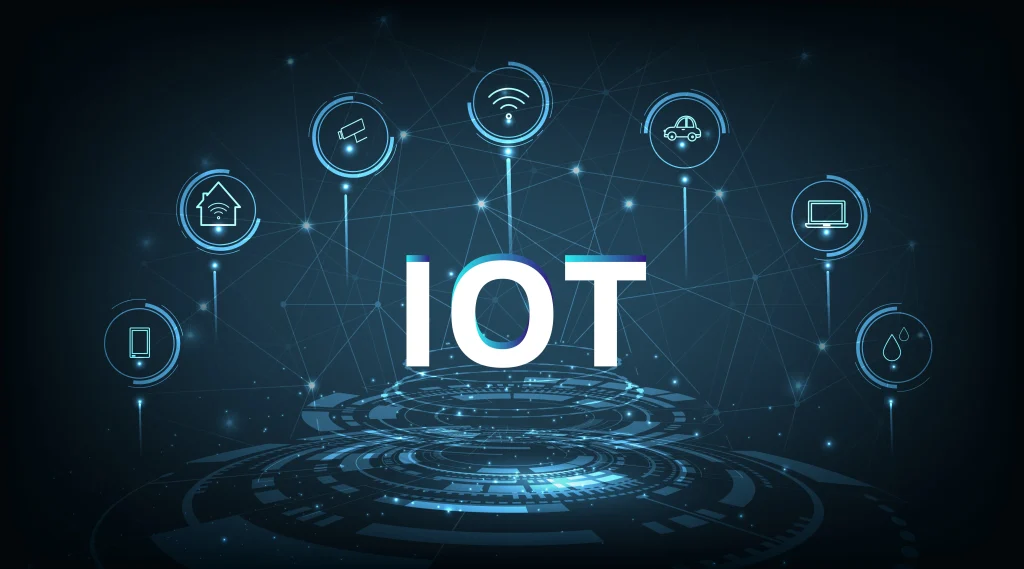
The IIoT is the nervous system of the smart factory. It consists of sensors, devices, and software that collect and share data in real-time. The IIoT market is seeing exponential expansion. It was valued at approximately $243.69 billion in 2025. This market is expected to grow at a CAGR of 27.2% over the next eight years.
- Edge Computing: Data processing happens directly at the source, or the “edge,” like the machine floor. This reduces latency. It is critical for high-speed applications like quality control and immediate safety shutdowns.
- Connectivity: The rollout of Private 5G networks within factories ensures high bandwidth and reliable communication for thousands of connected devices. This enables the necessary speed for real-time control.
Artificial Intelligence and Machine Learning (AI/ML)
AI transforms raw data collected by the IIoT into actionable intelligence. It enables the factory to become truly proactive.

- Quality Control: Computer vision systems use AI to inspect products at high speed. They detect defects smaller than a human eye can reliably catch. This reduces scrap rates and improves final product quality.
- Process Optimization: ML algorithms analyze complex production variables, such as temperature, pressure, and cycle time. They automatically adjust machine settings to maintain peak operational efficiency. The AI in manufacturing market is growing fast. Its value was over $13.02 billion in 2025.
Collaborative Robotics (Cobots)
Cobots are robots designed to share a workspace with humans safely. They are a core element of the human-centric approach.
- Augmentation: Cobots handle monotonous tasks like loading, unloading, and packaging. This relieves stress on human workers, who can focus on programming or complex assembly.
- Market Growth: The cobot market experienced an anticipated growth of 20.6% in 2025, recovering from prior economic headwinds. This growth confirms that manufacturers prioritize flexible automation that supports their existing workforce.
| Technology Component | Primary Factory Role | Operational Benefit |
| IIoT Sensors | Data acquisition and real-time monitoring | Enables predictive maintenance |
| AI/ML Algorithms | Pattern detection and decision-making | Optimizes efficiency by 10% to 20% |
| Digital Twin | Virtual simulation of assets and processes | Reduces risk during process changes |
| Cobots | Repetitive tasks and assembly | Improves safety and human productivity |
Implementation Roadmap: Scaling Smart Factory Maturity
The journey to a fully integrated smart factory is incremental. Most businesses start with basic digitization and slowly increase complexity. Experts suggest a four-stage maturity model for adoption.
Stage 1: Data Generation
At this initial stage, companies successfully install sensors and begin collecting large volumes of operational data. This data often remains isolated in separate systems, or silos.
Staff collect the data, but it is challenging to use the information for quick, coordinated action. The focus here is on securing reliable data streams from all machinery and processes.
Stage 2: Data Accessibility
The factory moves toward unifying its data. Dashboards and visualization tools become central. Managers can now easily see equipment performance and production output.
The data becomes accessible, but human operators are still needed to analyze the reports and manually trigger changes. This stage overcomes the issue of data being hidden or difficult to find.
Stage 3: Proactive Operations
Systems start integrating data to predict issues. AI models begin forecasting problems, such as potential equipment failure or quality deviations. The system alerts a human operator, who then takes corrective action.
Operations become proactive, meaning problems are addressed before they impact output. Human intervention remains common in this stage, but it is now based on informed, automated warnings.
Stage 4: Machine-Led Actions
This final stage represents full smart factory maturity. Machine Learning systems not only identify problems but also automatically take immediate, necessary actions. They adjust machine parameters, re-route production, or order maintenance autonomously.
This significantly reduces the need for human involvement in routine process management. The systems are designed to operate with minimal manual oversight.
The Foundational Role of ERP
An Enterprise Resource Planning (ERP) system is critical for this journey. ERP acts as the central hub. It ensures that the production floor data, gathered by IIoT, communicates seamlessly with departments like finance, inventory, and sales. Without a strong ERP platform, data remains siloed, halting progress at Stage 1.
A modern, flexible ERP solution eliminates data inefficiencies. It provides the transaction and data backbone needed for a fully integrated environment. We use our expertise to help businesses transition from simple data collection to machine-led, optimized operations.
Measurable Benefits of Smart Factory Adoption
The move to smart manufacturing is not just theoretical. It delivers quantifiable improvements in core business metrics. Companies that successfully implement these technologies see immediate and lasting competitive advantage.
Operational and Financial Gains
- Production Output: Manufacturers who successfully implemented smart technology reported an average improvement in production output of 10% to 20%. This is achieved through optimized routing and reduced waste.
- Employee Productivity: Employee productivity saw significant gains, improving by 7% to 20% due to the use of new digital tools and better work structuring.
- Capacity Unlocked: Smart systems unlock latent capacity. Companies reported that they realized up to 15% of previously unused production capacity. This prevents expensive infrastructure expansion.
- Downtime Reduction: By using predictive maintenance, manufacturers significantly reduced unplanned equipment downtime. This is one of the most immediate returns on investment.
Addressing the Talent Gap
The human-centric focus of Industry 5.0 helps address a critical skills shortage. 85% of surveyed executives agree that smart manufacturing initiatives will help attract new talent to the industry. Technology makes manufacturing a more engaging and high-tech career path.
Frequently Asked Questions (FAQs)
Q. What is the single biggest challenge in adopting a smart factory?
The most common challenge is integrating existing legacy systems. Most factories use a mix of old and new equipment with different communication standards. This creates data silos that prevent the seamless flow of information. A powerful ERP system is required to unify these fragmented systems.
Q. How does Industry 5.0 differ from Industry 4.0?
Industry 4.0 focused primarily on automation, connectivity, and data for the sake of efficiency. Industry 5.0 builds on these tools but adds three goals: human-centricity, resilience, and sustainability. It emphasizes human-machine collaboration over replacement.
Q. Is a smart factory too expensive for small manufacturers?
No, the investment can be scaled. Instead of a complete factory overhaul, manufacturers should start with a pilot project in one high-impact area. Focusing on a single bottleneck or a critical asset allows for a smaller initial investment and provides quick, measurable data to prove a clear return on investment.
Q. What role does cybersecurity play in a connected factory?
Cybersecurity is vital. Every connected sensor or machine expands the factory’s attack surface. Implementing robust security protocols is necessary to protect the Operational Technology (OT) network. A security breach can stop production and compromise intellectual property.
Ready to Transform Your Operations?
Smart manufacturing is the key driver of competitiveness for the next decade. Do not let complexity delay your journey.
BitByte Technology specializes in implementing the foundational ERP systems necessary for this transformation. Our solutions eliminate data silos and accelerate your progress from basic digitization to a proactive, machine-led operation.