From Idea to Profit: Navigating the SaaS Development Lifecycle (2026 Handbook)
Key Takeaways
- To successfully navigate the SaaS Development Lifecycle, prioritize continuous iteration, customer-centric features, and robust security from the design phase.
- The lifecycle is shifting from sequential steps to a DevOps-driven continuous loop focused on velocity and feedback.
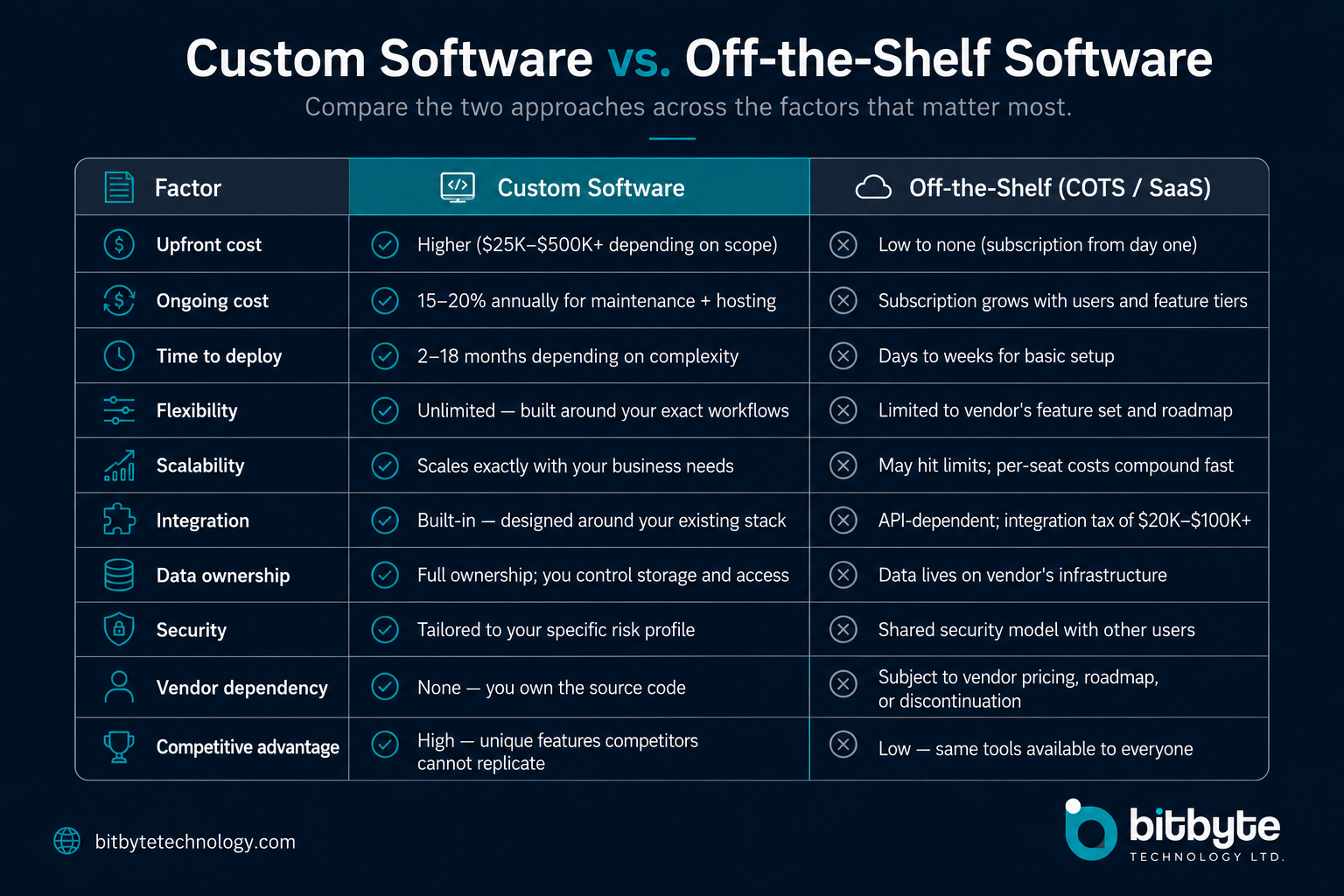
- Cost-effectiveness and rapid scalability remain the top motivators for adopting the SaaS model over traditional software.
- Security and API strategy are non-negotiable foundations for modern integration and data protection.
- The PaaS market growth (22.31% CAGR) highlights the demand for accelerated, platform-based development.
How do you successfully navigate the SaaS Development Lifecycle from idea to profit?
You must integrate robust security into the design phase, prioritize continuous iteration driven by user data, and focus on building scalable, API-first architecture. The SaaS model has fundamentally transformed how businesses consume software, moving the industry away from high, one-time installation fees to flexible, subscription-based access over the Internet.
This shift, driven by the desire for remote accessibility and cost-effectiveness, requires a specialized development approach. This guide breaks down the critical phases and best practices necessary to create a sustainable, profitable SaaS product in the competitive 2026 market.
Why SaaS Dominates (Beyond the Hype)
Before diving into the lifecycle, it’s essential to understand the strategic benefits that have made SaaS the dominant delivery model for new startups and established enterprises alike.
- Cost-Effectiveness: Startups avoid high upfront capital expenditures associated with traditional software licenses and hardware. The pay-as-you-go subscription model ensures controlled operational expenditure.
- Scalability: This is the most compelling feature. SaaS products are built on cloud infrastructure, allowing them to effortlessly scale computing resources (servers, storage) up or down automatically to match user demand and data volume.
- Remote Accessibility: In today’s distributed work environment, accessing critical business software from any location, on any device, is a necessity, not just a convenience.
- Faster Deployment: The model allows for rapid deployment, enabling businesses to hit the market quickly and begin gathering crucial user feedback far sooner than traditional software installation would allow.
Expert Advice: Focus on Unit Economics
“For startups choosing the SaaS model, the development focus must immediately shift from raw features to Unit Economics. This means optimizing for low Customer Acquisition Cost (CAC) and high Customer Lifetime Value (CLV). Development decisions—from technology stack to architecture—must support a low cost-to-serve per user, ensuring long-term profitability. If your architecture is too expensive to scale, your model will fail.” — Startup Financial Analyst Report, Benchmark Ventures 2025
Critical Phases of the SaaS Development Lifecycle
The lifecycle is an agile process, moving beyond simple linear steps to continuous planning and iteration.

Phase 1: Planning and Conception (Laying the Groundwork)
A successful SaaS product starts with meticulous planning that validates market need and technical feasibility.
- Market Research & USP: Understanding the market demands, analyzing the competition, and identifying your Unique Selling Proposition (USP). This is key to differentiating your product.
- Feasibility Study: Evaluating the product’s technical, financial, and operational feasibility. This includes estimating the SaaS Development Cost and ensuring a clear path to ROI.
- Needs Analysis & Prototyping: The first step in custom development is identifying specific user pain points (Needs Analysis). Based on this, a low-fidelity prototype is developed to get early stakeholder validation and user feedback.
Phase 2: Design and Architecture (Crafting the Blueprint)
Design determines the system’s performance, cost, and security profile.
- User Interface (UI) & User Experience (UX): The UI must be intuitive, ensuring a smooth, modern user experience that minimizes friction.
- Backend Architecture: A robust backend is crucial for scalability and performance. Modern SaaS requires microservices architecture and containerization (e.g., Docker/Kubernetes) to ensure elasticity and fault tolerance.
- Security Protocols: Security must be built into the design (Shift-Left Security). This includes planning for data encryption, secure API gateways, and multi-tenancy isolation from the start.
Phase 3: Development (Bringing Ideas to Life)
This is where ideas take concrete form using selected SaaS Development Technologies.
- Coding & Integration: Writing the source code for both frontend (HTML/CSS, JavaScript/AngularJS) and backend (Python, Node.js) and incorporating necessary APIs for enhanced functionalities and seamless third-party integrations.
- Performance Optimization: Ensuring the application is optimized for speed and can handle expected user load without bottlenecks—a constant consideration during coding.
Phase 4: Testing and Quality Assurance (Ensuring Flawlessness)
SaaS Software Testing is the bridge to deployment, ensuring the product is not just functional but resilient.
- Unit & Integration Testing: Testing individual code components and ensuring that different application parts work together when integrated.
- Security Audits: Rigorous security testing (Penetration Testing) must be performed by third-party experts to identify and eliminate vulnerabilities before launch.
- User Acceptance Testing (UAT): Crucial for SaaS; real users test the product to gather essential feedback, ensuring the final product meets market expectations.
Phase 5: Deployment and Monitoring (The Continuous Loop)
Deployment is the beginning of the continuous improvement cycle.
- Server Setup & Data Migration: Configuring cloud servers (often PaaS or IaaS) and securely migrating any necessary data.
- Monitoring and Analytics Setup: Implementing tools (like Prometheus, Grafana, or specialized APMs) to continuously monitor the application’s performance, track user behaviors, and gather technical telemetry. This data feeds directly back into the Planning phase for the next iteration.
Implementing SaaS Development Best Practices
Security Measures: Protecting Your Product
Security is not a feature; it is the foundation of trust in the SaaS model.
- Data Encryption: Encrypting data both at rest (in databases/storage) and in transit (via TLS/HTTPS) to protect it from unauthorized access.
- Secure APIs: Ensuring that APIs are designed securely, using OAuth 2.0 or robust API Gateway security to prevent data breaches during third-party integration.
- Regular Security Audits: Consistently monitoring and evaluating security measures via automated scanning and periodic external audits.
Scalability: Growing with Demand
SaaS Software Scalability is essential for accommodating rapid growth in user numbers and data volume without performance degradation.
- Load Balancing: Distributing network traffic across multiple servers ensures no single server is overwhelmed.
- Code Efficiency: Writing efficient code that utilizes resources optimally, avoiding bottlenecks under increased user loads.
- Horizontal Scaling: Designing the architecture to add more servers easily (scaling out) rather than relying on more powerful single servers (scaling up).
Monetization Strategies: Maximizing ROI
A well-thought-out SaaS Software Monetization strategy is essential for profitability.
- Subscription Models: The standard approach. Offer tiered plans with varying features and pricing (Basic, Pro, Enterprise).
- Freemium Services: Providing a free version with limited features to drive user adoption and funnel users to premium paid versions.
- Usage-Based Pricing: Charging based on consumption (e.g., transactions, compute hours, data volume) rather than just user seats—a modern strategy favored for PaaS-based products.
Frequently Asked Questions (FAQs)
Q. What is the most common mistake new SaaS startups make in the development lifecycle?
A. The most common mistake is neglecting security and scalability in the early design phase. Startups often rush to market with features, only to find that retrofitting enterprise-grade security protocols or re-architecting a monolithic system to handle massive load later is incredibly costly and time-consuming.
Q. Why is a strong API strategy so critical for modern SaaS products?
A. A strong API strategy is critical because modern business value comes from integration. Well-documented, secure, and scalable APIs enable seamless integration with complementary services (e.g., CRM, accounting, analytics), turning your product into an essential hub within the customer’s existing technology stack, which significantly increases customer stickiness and reduces churn.
Q. Which technology stack is best for a new SaaS startup (e.g., Python/Node.js)?
A. The “best” stack depends on the product’s complexity and the team’s expertise. Python (with Django/Flask) is often favored for its speed in development, strong AI/ML libraries, and readability. Node.js (using JavaScript across the entire stack) is excellent for applications requiring high real-time throughput and rapid deployment due to its non-blocking I/O model. Both are excellent choices, but the decision should align with scaling needs and available developer talent.